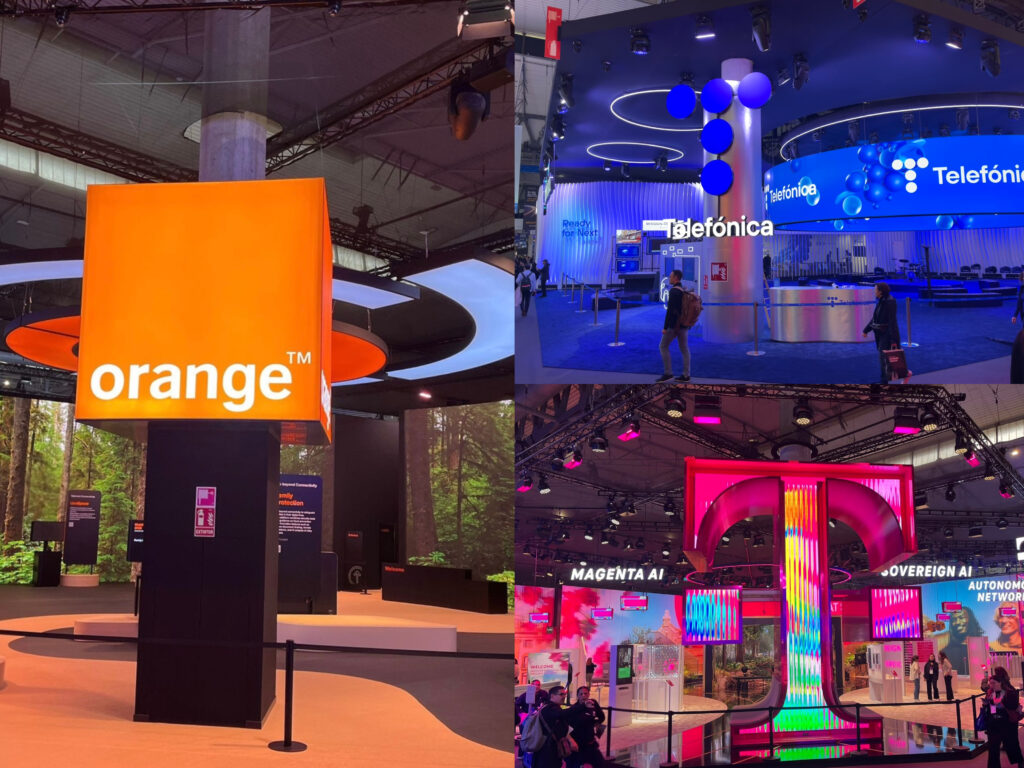
All good things must come to an end. After several days walking endless aisles and absorbing so much information that we practically need to upgrade our own RAM, it is time to say goodbye to Barcelona. In this final MWC 2026 recap, we want to share our ultimate summary of the event. While we usually focus on the nitty-gritty of mobile spare parts and keeping your devices alive, today we are diving into the pure spectacle, the craziest innovations, and the professional atmosphere of the world’s biggest tech show.
Architectural Grandeur: Stands as Tech Ecosystems
If there is one thing that leaves you breathless when you walk into the Fira de Barcelona, it is the sheer scale of the stands built by the main telecom companies. We are not talking about simple displays; we are talking about titanic infrastructures. Imagine two-story buildings, curved LED screens the size of a cinema, and immersive environments that represent the pinnacle of modern corporate branding.
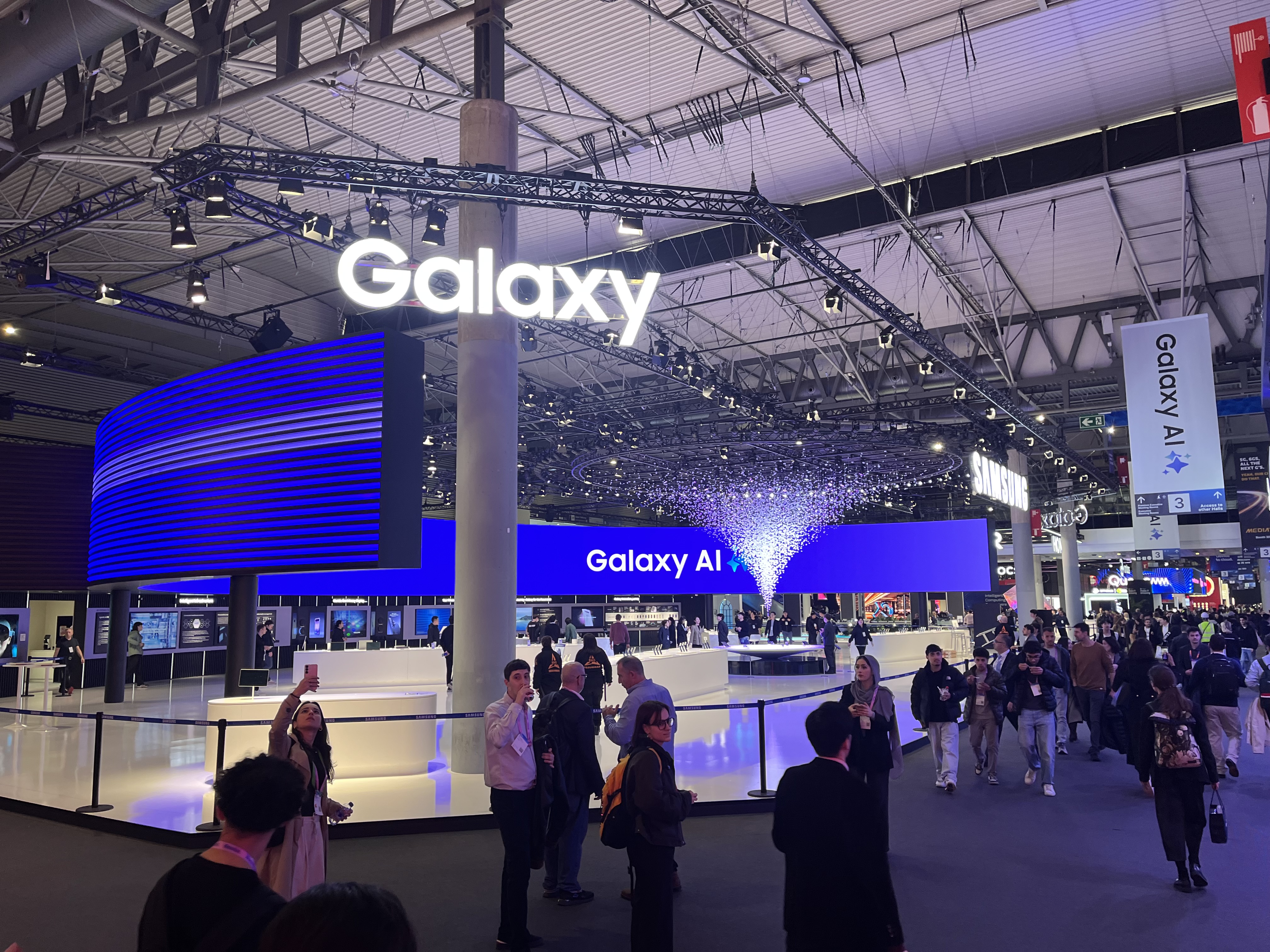
Samsung’s massive pavilion focusing on their new spatial computing vision.
As part of our MWC 2026 recap, we noted that brands invest millions of dollars to create these ephemeral micro-universes. There are lounge areas with intelligent climate control, virtual reality simulators with actual physical feedback, and high-production stages. Every square inch is meticulously designed to showcase their market leadership and establish a dominant presence in front of global competitors.
Samsung and Extended Reality: Testing the Galaxy XR
One of the mandatory stops this year was the South Korean giant’s pavilion. Samsung demonstrated a strong strategic shift in 2026. While they obviously showcased their flagship phones, they transitioned the primary spotlight toward their spatial computing vision. We had the opportunity to test their brand new hardware, and the technological leap is truly impressive.
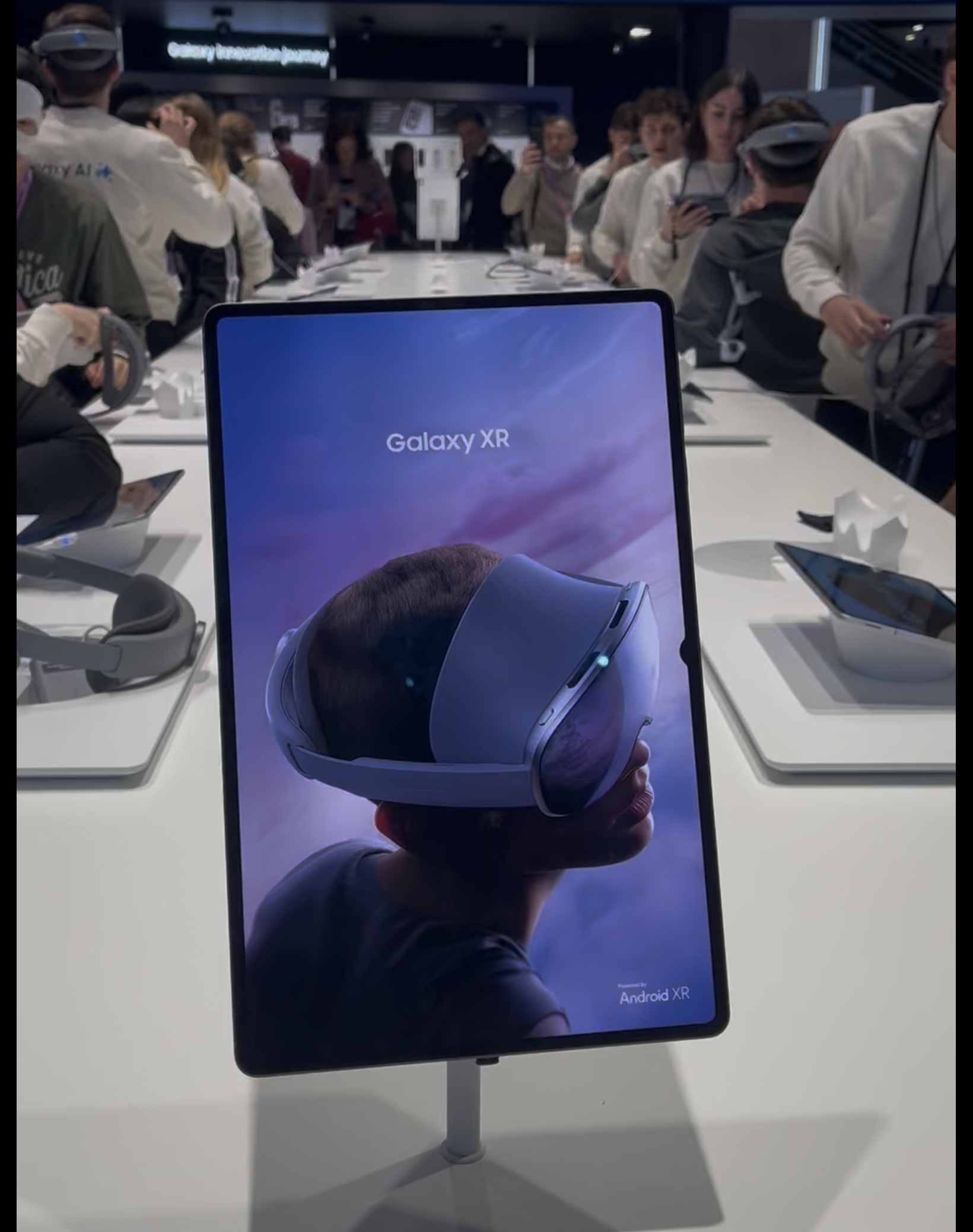
Testing the ergonomic Samsung Galaxy XR glasses.
Testing the Samsung Galaxy XR glasses was a highlight. They feature a refined, ergonomic design that prioritizes user comfort without sacrificing aesthetic appeal. The integration between augmented reality (AR) and virtual reality (VR) is seamless. The response is almost instantaneous, and the visuals are crisp, promising a truly immersive corporate or entertainment experience.
This kind of technology is rapidly evolving, and while it’s exciting, it also raises new questions for us about protection. These devices will certainly need dedicated protective solutions to ensure their sensitive lenses and frames survive daily professional and personal use.
Xiaomi’s Evolution: From Mobile Tech to Automotive Excellence
Xiaomi’s booth was undoubtedly one of the most high-traffic areas of the congress. While their mobile innovations remain a cornerstone, the automotive display completely redefined their brand perception this year.
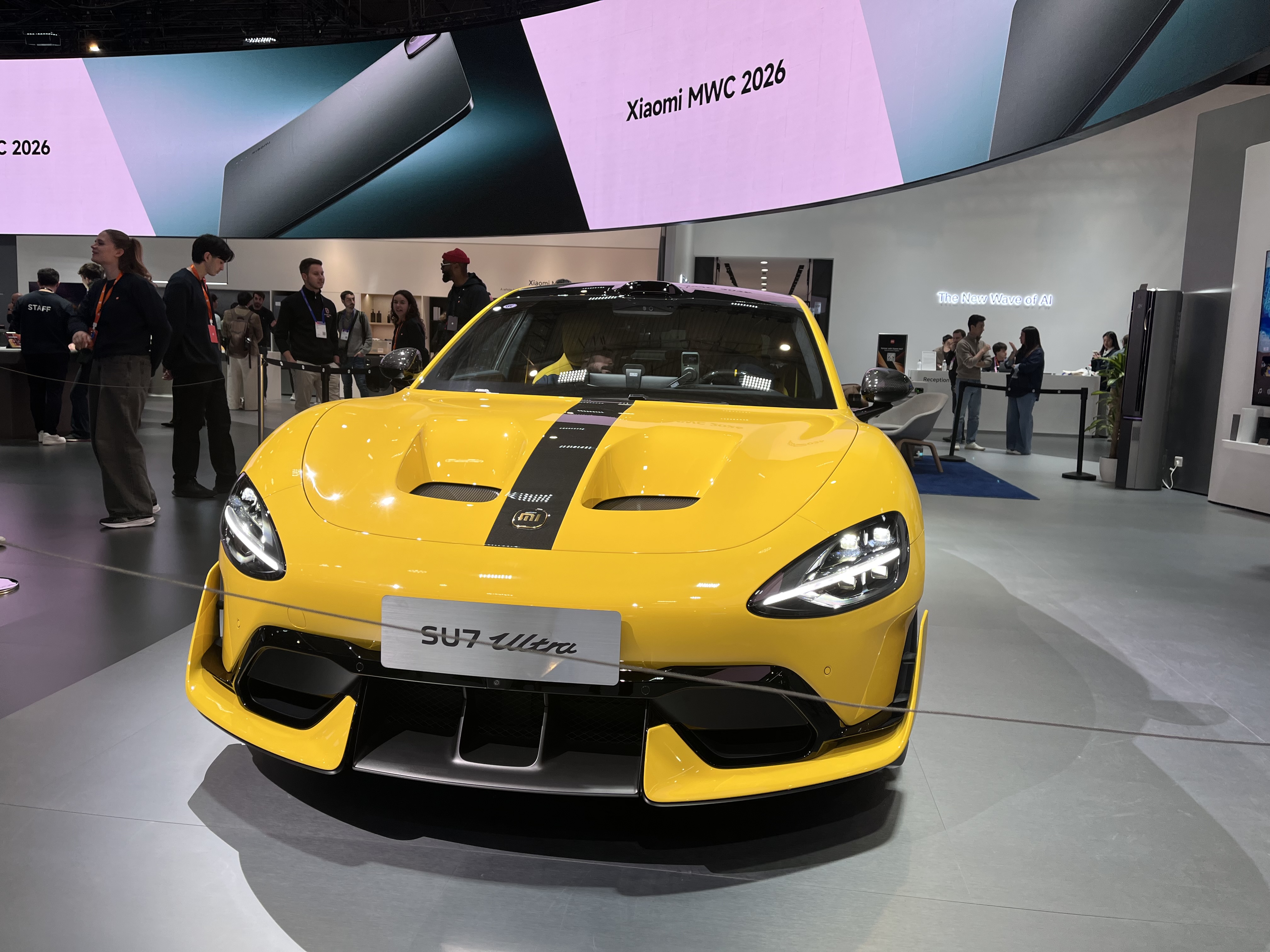
The elegant Xiaomi SU7 drew massive crowds to the booth.
The Xiaomi SU7, their electric sports car, is even more impressive in person. But the main attraction was their latest engineering feat: the Xiaomi Vision GT prototype.
This electric hypercar delivers a staggering 1,900 horsepower, encased in a hyper-aggressive, aerodynamic frame. Seeing a tech-first company competing at this level of automotive engineering proves that the line between consumer electronics and the EV industry has officially vanished.
The Xiaomi Vision GT: A masterclass in performance and aerodynamic design.
Robotic Integration: Humanoids and Specialized Automation
Robotics represented a major pillar of this year’s edition. These are no longer conceptual models but mature, commercial solutions. We observed humanoid robots with advanced motor capabilities and sophisticated AI-driven social interaction.
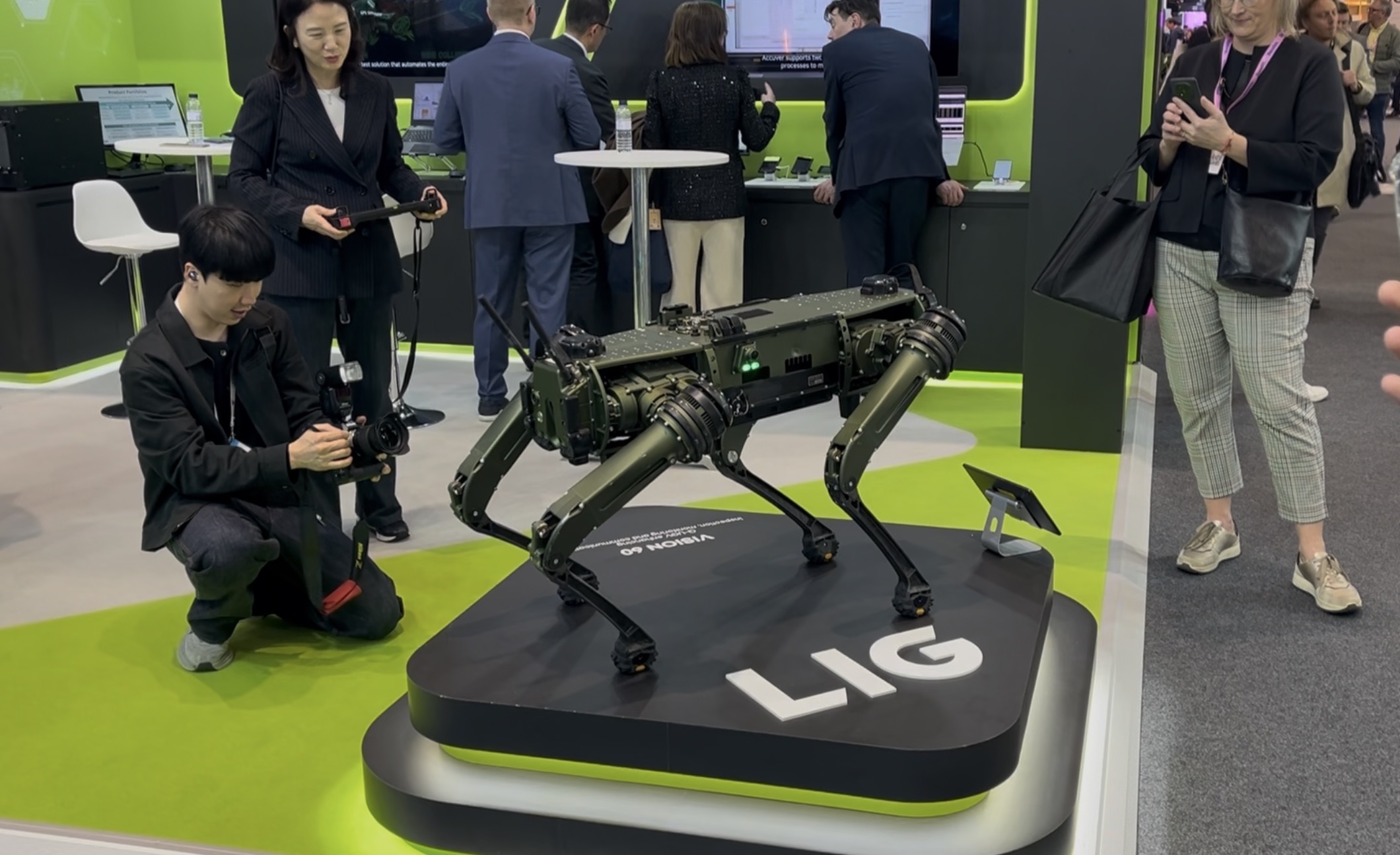
Quadruped robots designed for industrial inspection and rescue operations.
The quadruped robots (mechanical units) also stood out for their agility. These are designed for industrial inspection and search-and-rescue operations in environments where traditional mobility fails.
In the hospitality sector, automation is reaching new heights. We witnessed specialized units performing complex tasks with surgical precision.
Service automation units demonstrating fluid logistics and preparation.
Analyzing the Corporate and B2B Dynamics
To conclude this MWC 2026 recap, it is essential to discuss the professional dynamics of the event. The Mobile World Congress is a platform where global entities showcase innovation, but its primary function is as a high-level B2B networking hub.
The event is heavily optimized for executives and investors. Decision-makers are granted access to exclusive executive lounges and private briefing rooms—environments designed for closing large-scale contracts. For a general attendee, the experience is notably different; the focus of exhibitors is clearly skewed toward high-volume partnerships and corporate networking.
It is common to notice that the level of engagement from staff often depends on the profile reflected in your networking badge. This is a highly competitive, results-oriented environment where the priority is the return on investment (ROI). Understanding this corporate focus is key to navigating the congress successfully.
It has been an intense and highly productive week. We return with a clear roadmap of the industry’s future, ready to continue providing the best repair tools and professional components. The future of technology is here. See you in the next post!

Discussion (1)
very good post!! i loved it <3